

Organisational Sustainability National Lottery Heritage Fund
Under the Heritage Fund’s 10-year strategy, Heritage 2033, there are four core investment principles which will shape their grant decisions. These are:
- Saving heritage
- Protecting the environment
- Inclusion, access and participation
- Organisational sustainability
All four investment principles must be taken into account when applying for funding.
Organisational sustainability is focused on: “Strengthening heritage to be adaptive and financially resilient, contributing to communities and economies.”
As noted on Heritage Fund’s website by 2033 they will have:
- “Supported organisations to increase their financial and organisational sustainability by developing their commercial and digital skills and strengthening governance and leadership.
- Supported the development of skills and capacity in the heritage sector.
- Used our flexible funding model to embed resilience in the projects we fund.
- Enabled the heritage sector to strengthen its contribution to economies and local communities.”
This is a critical area and it will help to create more sustainable organisations – leading to a greater legacy for future generations to enjoy.
We believe building organisational sustainability can take many forms from identifying new revenue generating opportunities through to enhancing existing earned revenue streams, exploring opportunities to enhance the ‘visitor experience’ (helping to increase repeat visits, engage with new audiences and build dwell time), building the skills and capacity of staff, volunteers and trustees, alongside evaluating delivery and governance options and exploring opportunities to work in partnership. Change and innovation isn’t without risk and there is a requirement to identify and mitigate against potential market, economic, organisation or operational risks.
Underpinning this is a need for robust and realistic market analysis and financial planning.
You can find out more about Heritage 2033 here.
How can we help?
Planning Solutions Consulting Limited works on helping creating more resilient organisations and visitor sites. Some of the projects we have worked on include:
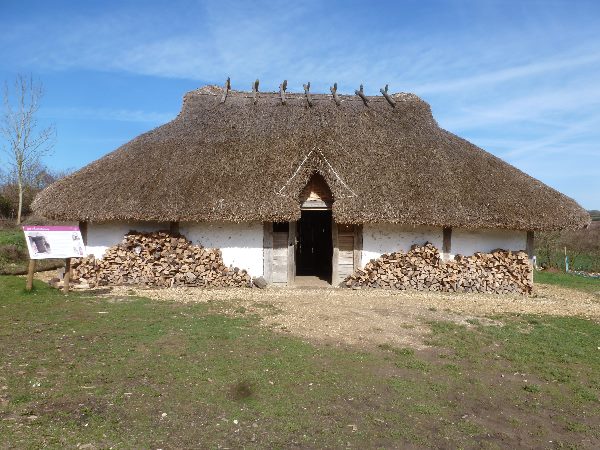
- Butser Education CIC: Carried out a feasibility study to assess future development opportunities for this experimental archaeology site with a focus on different periods of history, the Iron Age and Stone Age, along with the Saxon and Roman eras
- Cambridge Museum of Technology: Worked with the Trustees to prepare a business resilience plan for the museum. Separately, we were commissioned to advise on the catering strategy for the museum
- Carmarthenshire County Council: Carried out a feasibility study to develop the visitor experience at Parc Howard Museum. This included: access improvements, visitor reception and retail area, toilets, function room, and improvements to functionality and visitor flow. The objective of the work was to increase visitor numbers, dwell time, and spend levels. We also advised on the opportunity of introducing a café within the museum
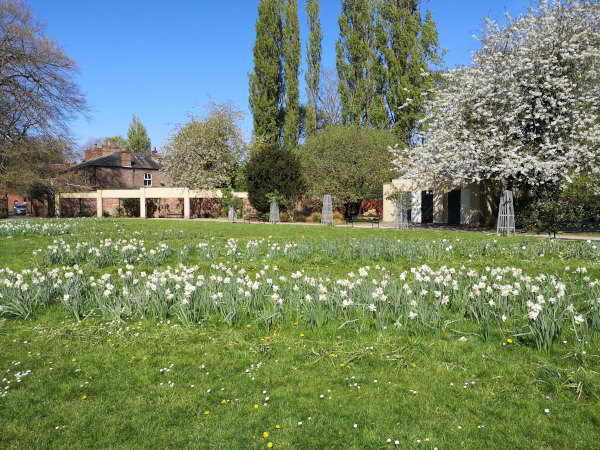
- Enfield Council: At Forty Hall, a Grade 1 listed house, we carried out a market review and options appraisal to enhance income-generating opportunities. A supporting financial analysis for the lead options was also prepared
- Epping Forest Heritage Trust: We carried out a comprehensive feasibility study and assessment of the Trust’s activities to provide clear, practical recommendations on its services moving forward, with a focus on the visitor centre, which they manage and public engagement. A key remit of the Trust is education and learning across Epping Fores
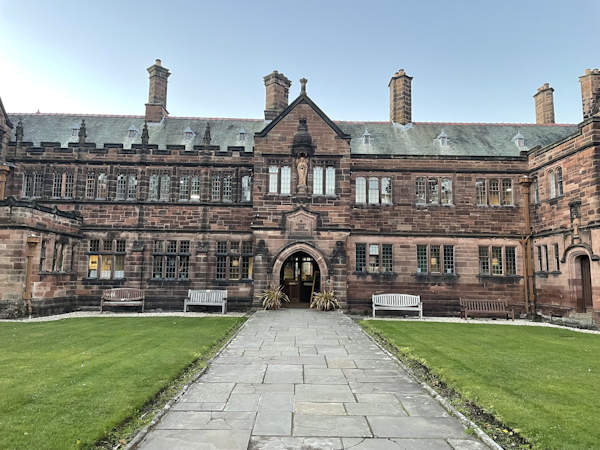
- Gladstone’s Library: Completed a business resilience planning project for Gladstone’s Library, a Grade I residential library in Flintshire, which incorporates an extensive programme of events, a chapel, café, accommodation, gardens and chapel
- Neath Port Talbot County Borough Council: Prepared a masterplan and supporting business case to transform the offer at Cefn Coed Colliery Museum and create a gateway visitor centre hub to the Valleys Regional Park
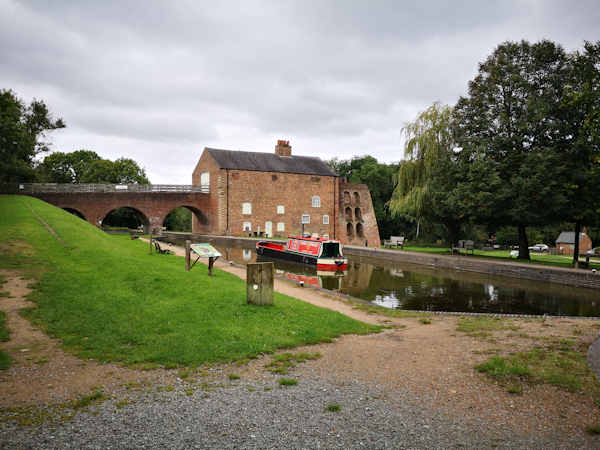
- North West Leicestershire District Council: Prepared a development plan for Moira Furnace Museum and Country Park. Latterly commissioned to carry out a separate study related to the catering offer
- Redcar and Cleveland Borough Council: Carried out an operational review and prepared a development plan for the Saltburn Cliff Tramway (Grade II*). There is limited visitor ‘space’ including a small ticket office and two ‘carriages’
- The Kent Mining Heritage Foundation: Commissioned to carry out a strategic retail assessment to identify the way forward for retail offer at Kent Mining Museum. This was coupled with identifying practical hands-on operational improvements, which will help to optimise the Kent Mining Museum shop
- Torfaen CBC: Review of five cultural and heritage venues to provide an evidence-based review to enable the council to make informed decisions around future requirements and the form of financial and other support for the venues
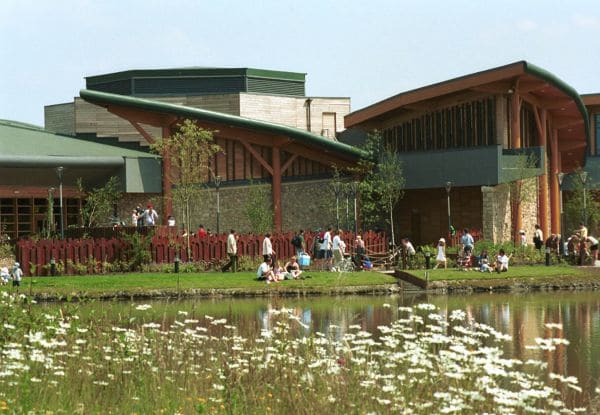
Alongside our ‘consultancy experience’ since 1995, our sister company has been investing in and managing hospitality, visitor experience and tourism businesses. These include CONKERS a 120-acre woodland experience with two visitor centres in the National Forest, Kent Life – a 28-acre heritage farm park in Maidstone and the Cotswold Beach and Country Park along with three branded high ropes experience, a 69-bed hotel on the Isle of Wight and a brewery. From 2010 to 2022 they also managed the National Brewery Centre (formerly the Bass Museum).
Because PSL is responsible for all aspects of managing a range of ‘businesses’ we understand different elements from set up through to staffing, maintenance, marketing, the operating model and day-to-day operations. Based on this hands-on experience we can identify constraints and success factors, including key risks and liabilities and mitigation strategies. Underlying this we understand the financial drivers (and cost centres) to help deliver long-term sustainable solutions. PSL manages the sites on behalf of different owners e.g. Trusts, local authorities and the private sector.
As a consultancy team we have direct access to ‘live-time trading information’ as well as the expertise of our operations team. We have found that this practical hands-on operational experience helps to create a significant positive impact and brings a strong commercial realism to projects. We understand the challenges faced by operators of visitor sites and heritage businesses and how to develop projects which are commercially viable, meet the needs of the visitor and community and respond to other needs such as education, learning, volunteering and contributing towards placemaking and the local economy. We have faced the challenges presented by COVID and now are facing the impact of the cost-of-living crisis and the Net Zero journey.
Contact
If you would like to talk about a potential project or idea, feel free to call or email Richard Linington (07866 742628 – richard@pslplan.co.uk)