

Income generation at museums
In response to funding cuts, museums are increasingly under pressure to generate additional earned income. Generating income at museums – admission sales (for museums which charge an admission tariff) will always be a key income stream; however, with less public funding and an increasingly competitive marketplace, museums cannot afford to rely exclusively on admissions income.
Revenue streams are becoming more varied and versatile. With Trusts, the surplus generated can be ringfenced for the care of its collections, enhancing the visitor experience, promoting the offer and brand and investing in training for staff and volunteers.
Taking the time to identify and analyse a museum’s current operations, assets, availability of ‘human resources’ and wider market trends provides a deeper understanding of where to focus future income-generation efforts.
Knowing your visitors: Audience research and segmentation are invaluable here. Understanding who visits, why they come, and what they like (or don’t), their dwell-time, spend levels etc., gives both visitor experience and marketing teams the insight they need to shape an offer people want to return to again and again.
Events: Done well, events can be a real revenue driver, but they need careful planning and budgeting before you commit time and resources. Larger, more memorable events tend to deliver better returns if your team has the skills and capacity to deliver them. Many museums are now branching into the arts, hosting evening music nights, food events, and theatre, recognising that some events serve more as audience-builders than profit-makers, laying the groundwork for future visits. In our experience, a strong annual events calendar takes time to build. Partnerships are also worth exploring early on for delivery, marketing, and ticket sales, thereby reducing financial risk. It’s always worth remembering to think through how events will affect your day-to-day operations.
Catering: Visitor expectations have changed. People increasingly come to museums not just to see collections, but for a social experience, and great food can be an important part of the museum experience. The right catering offer, in the right location, can help to increase dwell-time and spend. Whether you manage it in-house or bring in a specialist third-party provider, getting this right can make a real difference.
Private and corporate hires: A quality catering offer opens the door to private and corporate events. Exclusive hire for weddings, parties, and corporate functions can be a meaningful income stream, though it’s important to be how this secondary activity fits alongside your core museum operations.
Retail: A thoughtfully designed retail offer is an investment, but when it’s done well it does more than generate income, it also reinforces your brand and adds to the overall visitor experience. Building product ranges around current exhibitions helps smooth out seasonal dips and keeps interest alive. And don’t overlook online sales: a strong e-commerce presence lets you reach audiences who may never visit in person. Although developing online sales can be challenging.
Filming and media uses: The unique character of a museum or heritage property can be surprisingly lucrative on screen. Revenue from costume dramas and film productions can be substantial, and hosting television programmes – think Antiques Roadshow can help to boost both visitor numbers and the wider public profile of the museum.
Other: Beyond all of the above, there’s a wider world of opportunity worth exploring: membership schemes, licensing, and more. Each museum is different, and the right mix of income streams will always depend on your particular strengths, audience, and ambitions.
Focusing on enhancing existing income streams and developing new ones takes time and resources. It’s sometimes tempting to try to do everything at once, which can lead to teams feeling stretched and never truly reaching their potential. Phased development is key – allowing initiatives to be piloted to reduce risk.
Income generation and business resilience planning
We have worked on a range of income-generation and business-resilience planning projects across the museums and wider visitor-experience sectors.
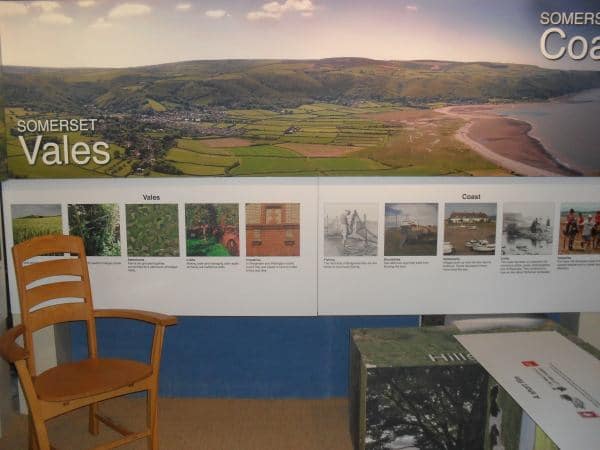
- Somerset County Council: Worked with seven museums, mainly run by volunteers, in Somerset to improve their financial resilience with a focus on product development, income generation and marketing.
- Chichester District Council: A feasibility study to assess the opportunity to introduce a catering offer within the Novium museum post opening.
- Butser Education CIC: Carried out a feasibility study to assess future development opportunities for this experimental archaeology site with a focus on different periods of history, the Iron Age and Stone Age, along with the Saxon and Roman eras.
- Southampton City Council: Assessment of 22 heritage sites owned by the council to identify opportunities to increase public access and generate revenue to cover their maintenance/operating costs.
- Cambridge Museum of Technology: Worked with the Trustees to prepare a business resilience plan for the museum. Separately, we were commissioned to advise on the museum’s catering strategy.
- Tenby Museum and Gallery: Lead Consultant on the Tenby Museum and Art Gallery project, where we worked with the Trusts to carry out three options appraisals to identify and evaluate (a) revenue-generating opportunities, (b) future governance and delivery, and (c) space use within the museum and site location.
- Shropshire Wildlife Trust: Prepared an income generation strategy for the Cut Visitor Centre in Shrewsbury, which incorporates the HQ function for the charity.
- Torfaen CBC: Review of five cultural and heritage venues with a focus on commercial opportunities.
- Redcar and Cleveland Borough Council: Carried out an operational review and prepared a development plan for the Saltburn Cliff Tramway (Grade II*). There is limited visitor ‘space’ including a small ticket office and two ‘carriages’.
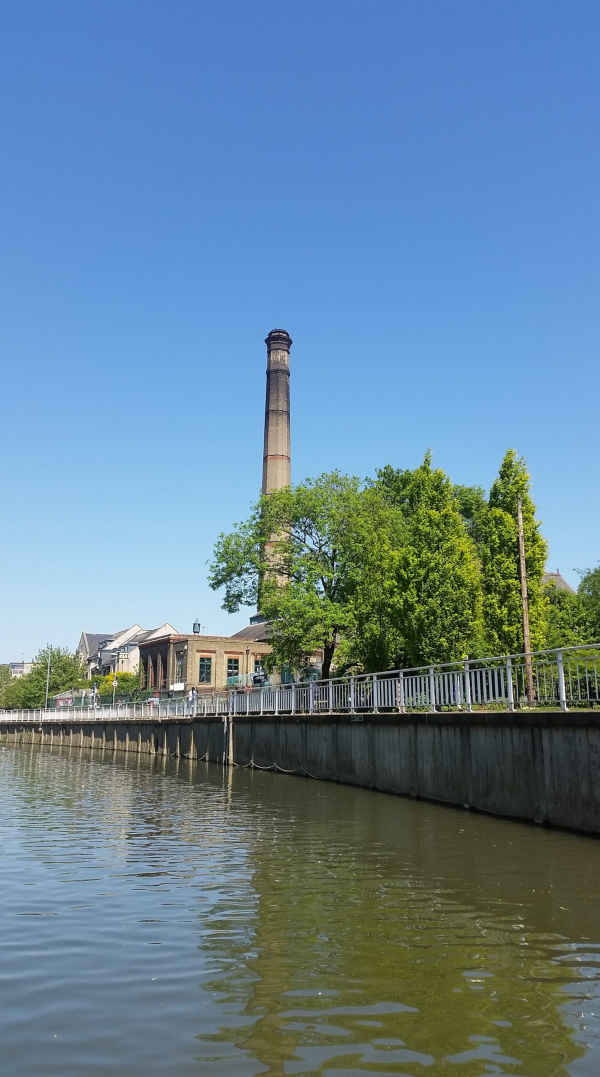
- North West Leicestershire District Council and Moira Furnace Museum Trust: Working with Hiraeth Architecture, we carried out an options appraisal to identify and evaluate future options to enhance Moira Furnace Museum (a SAM) and Country Park.
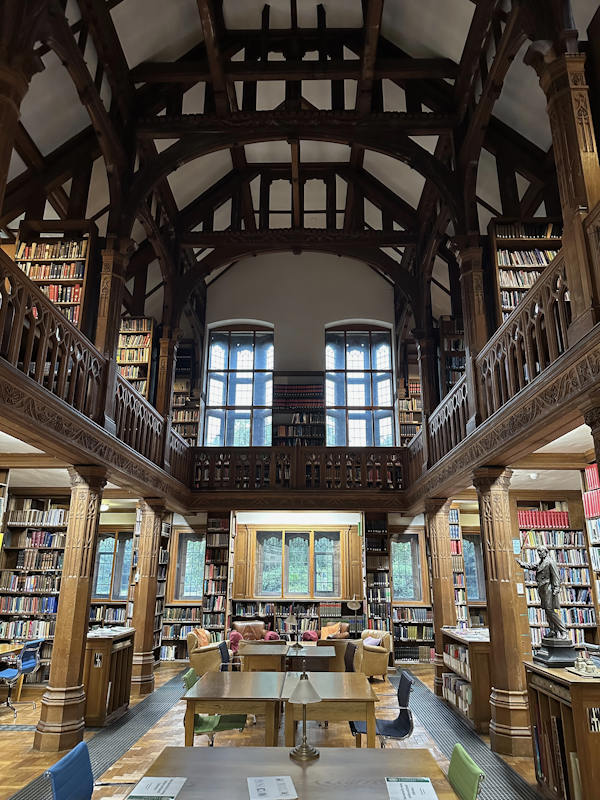
- Gladstone’s Library: Worked with the SMT and Warden to develop a business resilience plan for Gladstone’s Library, a Grade I residential library.
- Enfield Council: At Forty Hall, a Grade I listed house, we carried out a market review and options appraisal to enhance income-generating opportunities. A supporting financial analysis was also prepared.
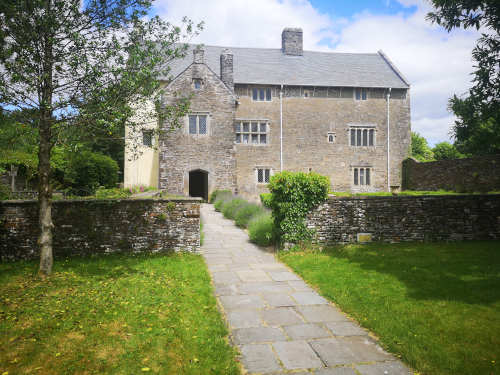
- Caerphilly County Borough Council: Carried out a feasibility study to introduce visitor accommodation within the grounds of Llancaiach Fawr Manor, a heritage attraction managed by the Council.
- High Peak Borough Council/Staffordshire Moorlands District Council: Carried out an operational review of the Pavilion Gardens in Buxton to determine the best possible investment strategy for this iconic Grade II building, which is set in an attractive parkland.
- Epping Forest Heritage Trust: We carried out a comprehensive feasibility study and assessment of the Trust’s activities to provide clear, practical recommendations on its services moving forward, with a focus on the visitor centre, which they manage and public engagement. A key remit of the Trust is education and learning across Epping Forest.
- Peak District National Park Authority: Carried out a review of the four visitor centres managed by the NPA with a focus on financial resilience planning and enhancing public engagement.
Managing complex heritage and visitor sites and other businesses
Through our sister company, Planning Solutions Limited, we have hands-on experience of managing a range of different visitor sites and wider tourism businesses. They directly operate:
- CONKERS Discovery Centre, an environmental and forest activity and learning experience in Leicestershire
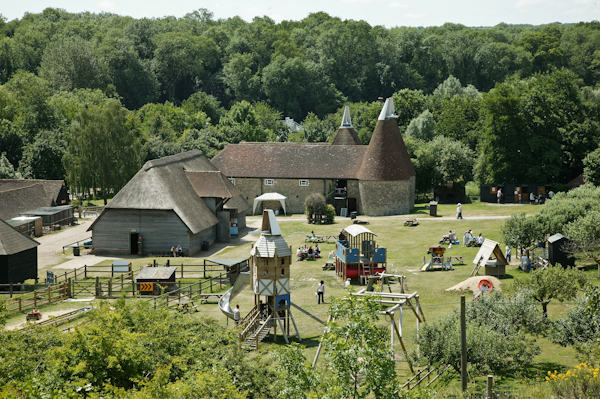
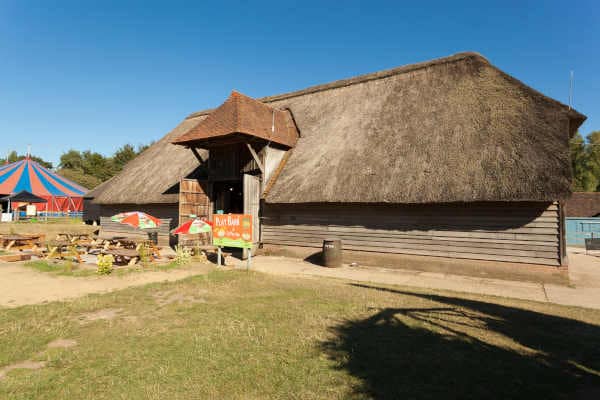
- Kent Life, a heritage farm park in Kent
- Cotswold Country Park and Beach, a popular activity destination in the Cotswolds
- National Brewery Centre, formerly the Bass Museum (managed between 2010 and October 2022)
- The Royal Esplanade Hotel, a 70-bed hotel in Ryde on the Isle of Wight
- The Burton Bridge Brewery and Burton Bridge Inn, a brewery and pub in Burton Upon Trent
At these sites, PSL manages the catering, retail, events, education, weddings, corporate use, membership schemes, admissions, exhibits, collections (Kent Life and formerly the NBC) and all other activities.
This hands-on experience gives us an insider’s understanding of the financial pressures, operational realities, and commercial drivers that determine whether a visitor site thrives in the long term. We know what it takes to build sustainable, resilient businesses – not from the outside looking in, but from direct, day-to-day involvement. Our operational experience translates directly into better consultancy advice. We bring:
- Live trading intelligence: Real-time insight from actively managed visitor sites, not just desk research
- Commercial realism: We understand what works in practice in a setting, not just in theory
- Operational empathy: We know the pressures and challenges organisations and operators face day to day in running visitor and heritage-focused sites
The result for our clients is consultancy grounded in realism – practical, honest, and shaped by experience. We are drawing on genuine operational experience to help develop sustainable and viable projects.
How can we help?
If you would like to discuss developing an income generation plan or business resilience plan please don’t hesitate to contact Richard Linington on 07866 742628 or richard@pslplan.co.uk