
Former industrial sites and visitor attractions
The UK is a world leader when it comes to breathing new life into former industrial land and buildings.
These sites can come with their own challenges, contaminated land being the obvious one, through to listed buildings but they also offer fantastic opportunities for visitor use. They often win strong support from local communities and investors who are excited to see disused land brought back to life.
From quarries to adventure
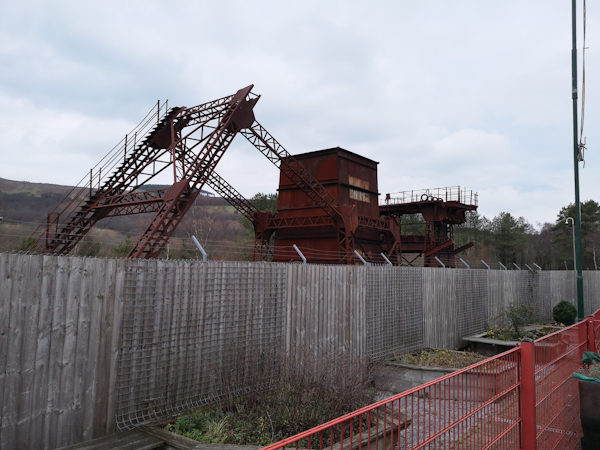
When Welsh mining went into decline, the adventure experience industry identified an opportunity and transformed former quarries into active economic use by creating adventure experiences. Zip World now runs different sites with activities ranging from a zipwire to an alpine rollercoaster, not to mention the world’s largest underground trampoline! In Pembrokeshire, the Blue Lagoon at Abereiddy is a flooded slate quarry whose strikingly blue waters draw visitors from afar.
From claypits and coalmines
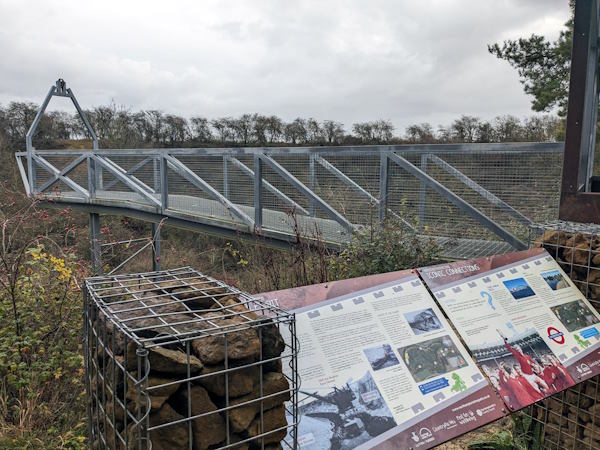
The biomes at the Eden Project were built inside the clay pit of a former mine near St Austell in Cornwall. Meanwhile, the CONKERS Discovery Centre has been built on the site of the former Rawdon Colliery (our sister company manages CONKERS).
A new lease of life for wildlife
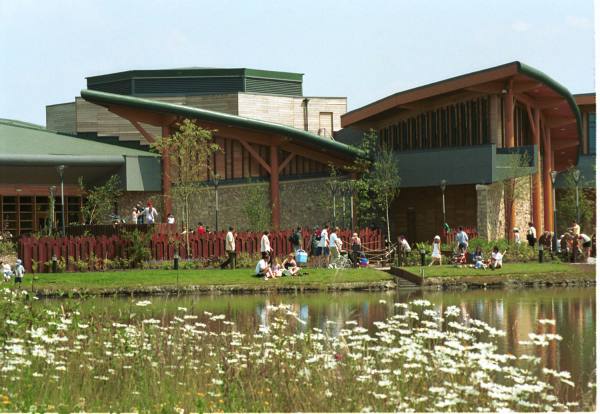
Former quarries have also become ideal habitats for wildlife. Brockholes, a floating visitor centre managed by the Lancashire, Manchester and North Merseyside Wildlife Trust, opened in 2011 on the site of a former sand and gravel quarry. Describing itself as “a new kind of nature reserve,” it attracted significant funding support and even boasts a floating visitor village.
Other reserves have made use of ex-quarries and landfill sites too, creating new habitats with wonderful results for wildlife. £4m was invested in Saltholme, Teesside, a 380-hectare area of marsh once mined for salt. Since opening in 2008, the reserve has become internationally recognised for its wading birds. At a very different kind of site, WWT London Wetland Centre transformed four disused Victorian reservoirs in south-west London. Around 40 hectares of reserve now attract bird species found nowhere else in the city, inspiring a whole new generation of enthusiasts.
Where heritage tells the story
Often, it’s a site’s heritage that plays the starring role in its redevelopment. The striking structure of Titanic Belfast stands on land once left derelict by the shipbuilding industry, adding real depth to its historical story and sense of place. In a similar spirit, the Portsmouth Historic Dockyards continue to grow as an attraction, blending historic buildings with HMS Victory.
How can we help
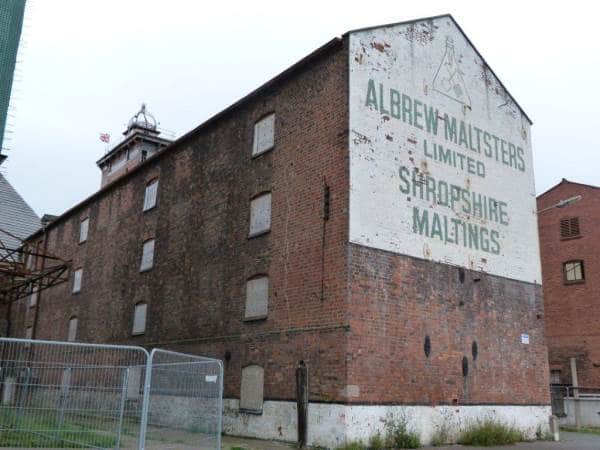
We enjoy exploring the possibilities for your own former industrial site. We carry out option appraisals and market assessments to identify alternative tourism, recreation, or visitor attraction uses from gravel pits to coal mines and mills.
Get in touch with Richard Linington, we’d be happy to speak:
richard@pslplan.co.uk
07866 742628