
Business resilience planning for visitor attraction sites and heritage properties
Visitor attraction sites, from country parks to museums, heritage properties, nature reserves, and forests, are facing a period of sustained uncertainty.
Funding is harder to secure and more short-term than it used to be. Energy and operating costs continue to rise, and increasingly unpredictable weather is disrupting visitor numbers and site operations in ways that weren’t foreseeable ten years ago.
Planning Solicitors Consulting has worked with local authorities, government organisations, National Park Authorities and charities across the UK and Ireland for over 25 years. We help clients develop resilient visitor sites and identify solutions for key challenges they face.
Why resilience matters now
Visitor attraction sites and heritage properties face risks that are becoming harder to ignore.
Climate change and extreme weather
Storms, flooding, wildfires, heat waves, and increasingly unpredictable seasons are disrupting opening hours, damaging sites and collections, changing visitor behaviour, and affecting physical access.
Attractions built around outdoor experiences, country parks, gardens, coastal sites, nature reserves, and forests are particularly exposed. The fabric of historic properties is becoming harder and more costly to maintain. Disruption is becoming a regular operational reality.
Funding and grant dependency
Local authority budgets are under increasing pressure. Grant funding is increasingly competitive, leaving some visitor attraction sites and heritage properties reliant on funding cycles outside their control, which affects their ability to plan for the long term.
Rising operating costs
Energy, insurance, staffing, and maintenance costs are squeezing margins, particularly for sites with historic buildings and outdoor spaces.
Visitor number volatility
Economic pressures on household spending combined with weather disruption make visitor income harder to forecast year to year.
Governance and succession risk
Many trusts and charitable attractions depend heavily on a small number of trustees, staff, or volunteers, leaving continuity exposed if key people move on.
You cannot eliminate these risks, but you can plan for them. That’s what resilience planning is about.
What does our business resilience planning cover?
Income diversification and reducing reliance on single funding sources
We help attractions identify and develop new income streams, retail, catering, events, membership, licensing, so that no single funding source or grant cycle can put the overall operation at risk.
Financial scenario planning
We develop financial models to demonstrate how site finances respond to different pressures. A poor summer season, a funding shortfall, or an increase in energy costs, so trustees and management teams can identify where the real vulnerabilities are.
Climate adaptation and contingency planning
We can plan for weather-related disruption by adjusting operating models for wetter or hotter seasons, protecting vulnerable buildings and collections, and building flexibility into opening patterns, staffing, and visitor offers, so extreme weather events don’t translate directly into lost income.
Operational reviews to identify vulnerabilities
We carry out practical on-the-ground reviews of how the site operates day to day, identifying single points of failure, whether that’s a facility, a supply relationship, or a way of working, and recommending realistic changes.
Who we help
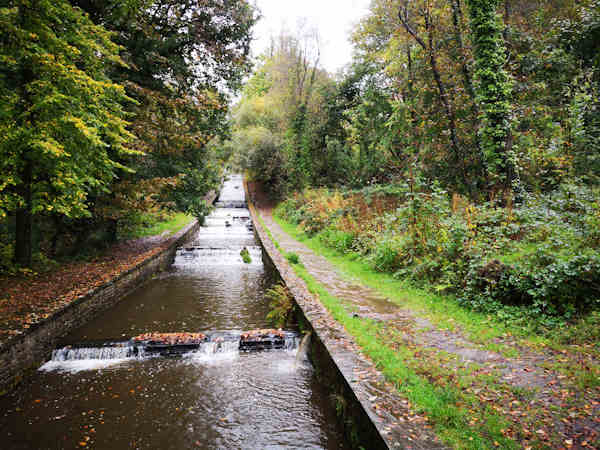
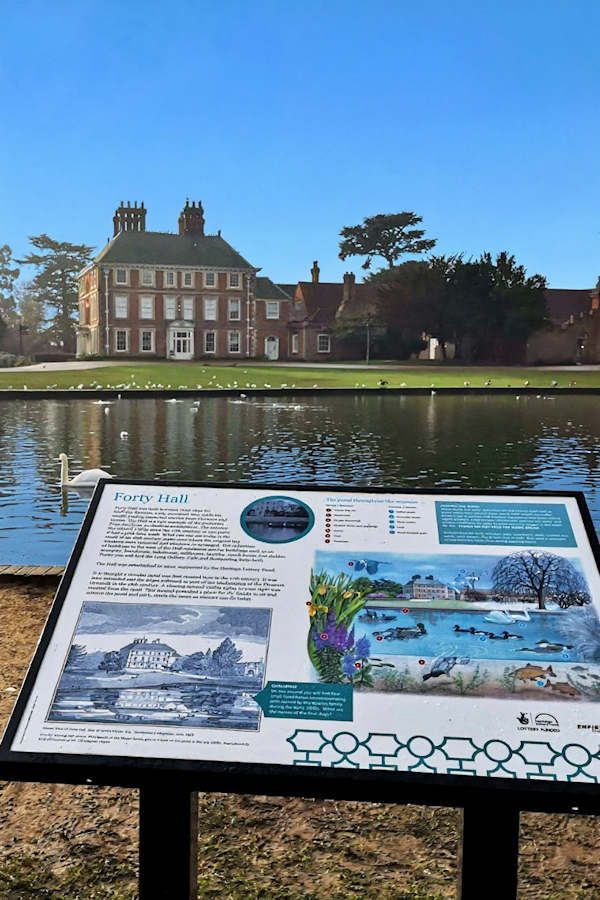
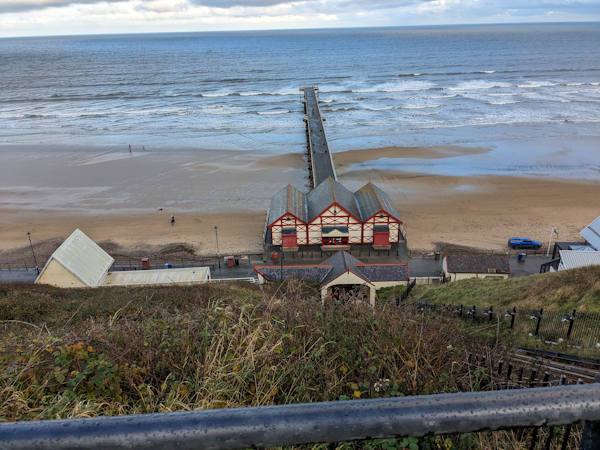
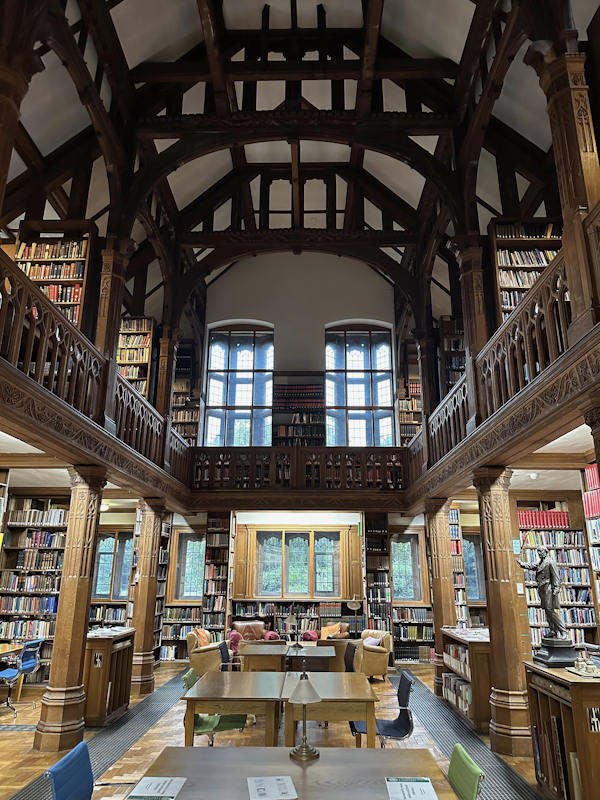
We work with a range of organisations that manage visitor attractions and heritage properties, including country parks, forests, museums and historic houses, visitor centres, castles, forts and gardens, nature reserves and coastal and waterway destinations.
If you have previously worked with us on a business plan, feasibility study, or operational review, resilience planning builds directly on that work, rather than starting from scratch.
Our approach to business resilience planning
Assessment
We start by understanding your operation, the visitor experience, income streams and cost centres, and long-term visitor trends. We identify current pressures, including your exposure to market forces, weather and climate-related disruption, economic factors, and policy changes. This includes a site visit and engagement with staff and volunteers. We identify and prioritise the risks most likely to affect your organisation, from funding gaps to declining visitor numbers, extreme weather events, and policy changes.
Resilience action plan
We produce a clear, practical action plan with key recommendations to develop a resilient operating model, which is tailored to your organisation’s resources and specific requirements. Actions will be set out with priority timescales across short-, medium-, and long-term outcomes (including quick wins). Phasing will be important to minimise disruption, align with budgets and potential funding opportunities. Finite resources mean the action plan must prioritise (essential /desirable) where investment (assuming it is unrestricted) should be allocated.
Added value: Managing visitor sites
What sets us apart is that we don’t just consult – our sister company, Planning Solutions Limited, manages visitor attractions and other hospitality businesses in the UK. Find out more here.
Talk to us about resilience planning
Funding pressures, rising costs, and increasingly unpredictable weather are raising questions about organisational resilience and long-term sustainability. We’d be glad to talk it through. Call Richard Linington on 07866 742628 or email richard@pslplan.co.uk to discuss your project.